
Review · VENICE
Venice: St. Mark’s Walking Tour & Gondola Traghetto Crossing
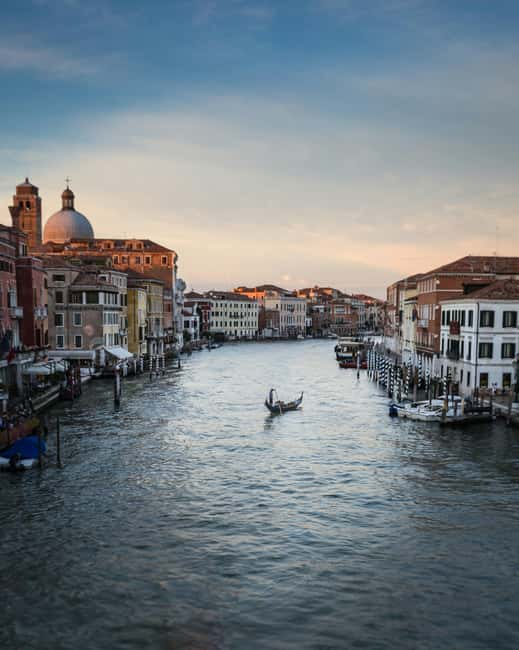
Venice reveals itself one bridge at a time. This experience combines a short local introduction with a self-guided route through St. Mark’s and Dorsoduro, then adds a traditional gondola traghetto crossing of the Grand Canal. I like the low price and the freedom to walk at your own speed, with 36 points of interest and audio in nine languages. I also like that the crossing is a real piece of Venetian daily life, not a staged gondola ride for tourists.
The main caution is organization. The quality appears uneven, and the overall rating is 3.1 from 10 bookings. Some people received clear help and an enjoyable route, while others felt they were handed a leaflet and left to manage everything themselves.
Key points to know before you book
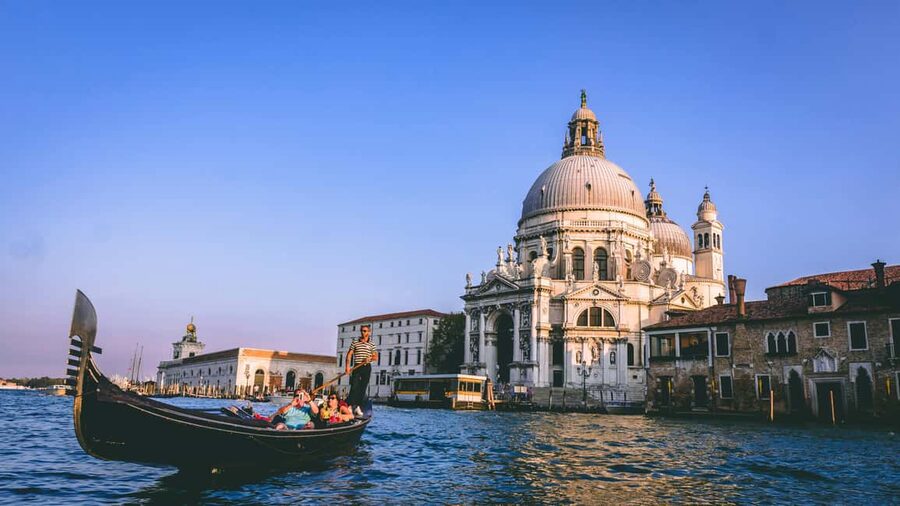
- This is not a sightseeing gondola cruise: The gondola traghetto is a short Grand Canal crossing, usually costing €2 directly to the gondolier.
- The first 15 minutes are guided: A local host introduces Venice in English and walks with you toward St. Mark’s Square.
- The remaining route is self-guided: You use your smartphone and headphones to follow 36 audio points at your own pace.
- The loop takes about two hours: You begin and finish in St. Mark’s Square, passing through San Marco and Dorsoduro.
- The price is unusually modest: At $14 per person, plus the crossing fee, it can be good value if the audio system and welcome work properly.
- Bring the right gear: You need comfortable walking shoes, a charged smartphone, and headphones.
What you are really buying for $14
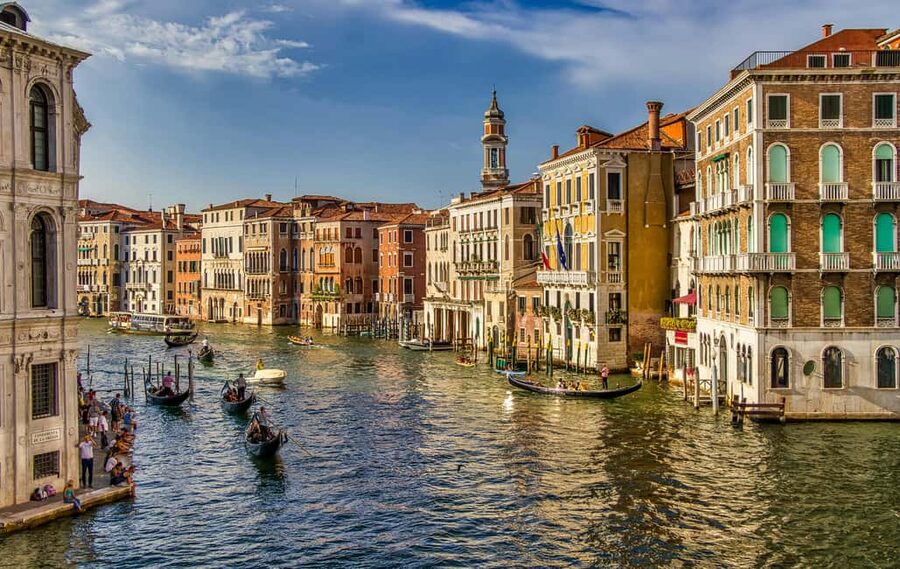
At first glance, this looks like a bargain way to see central Venice. For $14 per person, you get a 15-minute introduction, a walking route with 36 stops, smartphone audio in nine languages, help at the start, ongoing support from Voir Venise, and a small gondola-themed souvenir. You also pay about €2 for the traghetto crossing on site.
The important point is that you are not buying a traditional two-hour guided walking tour. After the opening introduction, you are largely on your own. That is either the appeal or the problem, depending on how you like to visit a city.
I enjoy self-guided touring when the route is well designed. You can stop for a coffee, pause the audio in a crowded square, or linger beside a canal without holding up a group. Families may also appreciate not having to keep children moving at the exact pace of a guide.
The tradeoff is that the experience depends on clear instructions, working audio, and a smooth check-in. A strong welcome matters here. If the staff explain the route well and help you connect to the audio guide, the price looks excellent. If you receive little more than a paper map, the value drops sharply.
The advertised price is $14, though one booking comment referred to paying €12. Prices can change, so check the amount at booking. Either way, remember to add the €2 crossing payment for each person. The traghetto cannot be prepaid because it is a local service regulated in Venice.
More St Mark's Basilica Gondola Rides in Venice:
- Venice In a Day: St Mark’s, Doges Palace Gondola Ride & City Tour
★ 5.0 · 3,588 reviews - Venice’s Best: Basilica, Doge’s Palace, Gondola & History Gallery
★ 4.5 · 2,478 reviews - Best Of Venice: Saint Mark’s Basilica, Doges Palace with Guide and Gondola Ride
★ 4.5 · 800 reviews
Starting at Campo San Zaccaria
You check in at the partner office at Campo San Zaccaria, listed as number 4683g. Arrive five to ten minutes early. This is not the sort of activity where you want to hunt for the office at the last minute, especially because Venice addresses and small lanes can be confusing.
At the office, you receive an explanation of the route and assistance before setting off. The opening host can speak English, Italian, French, Portuguese, Russian, Chinese, Japanese, German, or Spanish, while the initial walking introduction is described as being in English.
That language detail matters. If you do not want the spoken introduction in English, check the arrangement before booking. The audio guide offers the broader language choice, but the live opening portion has its own stated format.
The first section lasts about 15 minutes. You walk toward St. Mark’s Square while the host explains basic elements of Venice’s past and identity. This is brief, but it gives you a useful framework before you begin the longer self-guided part.
One particularly positive experience involved a host who stayed with the group for a little while and offered extra information about Venice. That is exactly what this opening needs: not a long lecture, but enough context to help you notice why the buildings and squares matter.
St. Mark’s Square, power, and public spectacle
The route then reaches St. Mark’s Square, the symbolic and political center of Venice. This is a strong place to begin the main audio section because so many parts of Venetian public life meet here.
You hear about St. Mark’s Basilica and its mosaics, along with the Eastern influences that reflect Venice’s long connection to the eastern Mediterranean. The Clock Tower brings a different theme: time, commerce, and the city’s sense of modern organization.
The route also covers the Procuratie Vecchie and Procuratie Nuove, the long arcaded buildings framing the square. These were linked to the officials who administered the Venetian Republic. Listening to the audio here should help you see the square as more than a postcard setting. It was a workplace, political stage, and ceremonial room in the open air.
Caffè Florian and Caffè Lavena add a social side. Florian is associated with elegance and artists, while the Ridotto at Lavena recalls gambling and Carnival society. These stops help explain how Venice’s public life included both stern government and elaborate entertainment.
You also pass the Napoleonic Wing and the Museo Correr, which connect the square to the fall of the Venetian Republic and the city’s later civic memory. The Campanile and Loggia bring the focus back to spectacle, symbols, and the way Venice presents itself to the world.
The audio format should work well here because the square can be noisy and crowded. You can move aside, pause, and continue when you are ready. Do not expect the host to remain with you through each landmark.
Doge’s Palace and the machinery of justice
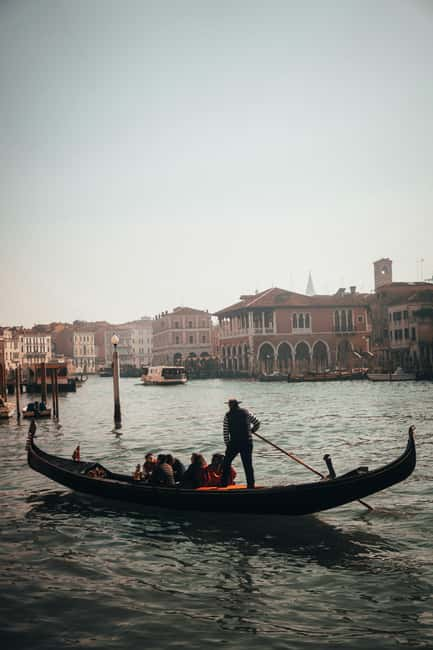
The next group of stops looks at the Doge’s Palace and the institutions around it. The palace was not simply a royal residence. It represented the political system of the Venetian Republic, where government, law, ceremony, and punishment occupied the same grand setting.
The red columns of the palace introduce themes of justice and power. Nearby, the Porta della Carta and the Tetrarchs add stories about authority and public image. The Biblioteca Marciana represents knowledge, while the Zecca represents money and the practical financial strength of the state.
This is where the audio commentary can add real value. A quick walk through the square may leave you seeing beautiful stonework without understanding the systems behind it. The route gives you a chance to connect the architecture with law, trade, money, and government.
The Columns of St. Mark and St. Theodore bring a darker subject. The area was connected with justice and executions. I appreciate that the route does not treat Venice as only romantic canals and grand facades. The city’s power had consequences, and this section acknowledges them.
The view across St. Mark’s Basin shifts the mood again. Venice faces the sea here, and the water helps explain the city’s identity as a maritime power. This is a good point to slow down, look outward, and let the audio provide the background while you watch the lagoon.
More Gondola Rides with a Walking Tour in Venice:
- Venice Walking Tour and Gondola Ride
★ 3.5 · 3,630 reviews - Venice: City Center Walking Tour & Iconic Gondola Ride
★ 4.3 · 500 reviews - Venice: Walking Tour and Shared Gondola Ride
★ 4.1 · 466 reviews - Venice Walking Tour and Gondola Ride Combo
★ 4.4 · 266 reviews
Prisons, the Bridge of Sighs, and Napoleon’s gardens
The prisons and Bridge of Sighs are among Venice’s most famous sights. The audio links the architecture with crime and legend, giving you more than the familiar story attached to the bridge’s name.
The nearby Royal Gardens bring in Napoleon and the political changes that followed the collapse of the Venetian Republic. These gardens are also a useful reminder that the city was repeatedly reshaped by outside powers.
You do not need to hurry through this section. Because the route is self-guided, you can stop when the surroundings are busy or when you want a better view. At the same time, the experience does not promise entry to the palace, basilica, museums, or other sights. It is an exterior-focused walking route with commentary.
That distinction is important for planning. If you want to see the interior of St. Mark’s Basilica or tour the Doge’s Palace, you will need separate admission and extra time.
The traghetto crossing: local transport, not a gondola serenade
The gondola traghetto is the most distinctive part of the experience. A traghetto is a traditional gondola used to carry people across the Grand Canal where there is no nearby bridge. It is a short practical crossing, not a private gondola ride with music and a long sightseeing route.
You pay the gondolier directly, usually €2 per person. The crossing is generally available during traghetto operating hours, usually from 10:00 a.m. to 5:00 p.m. Since local service conditions can change, you should not assume the crossing will be available outside those hours.
I like this feature because it connects you with ordinary Venetian movement. You are using a form of transport that exists for local convenience, not just for tourism. It is also a memorable break in the walking route.
Keep your expectations in check. If you want a romantic cruise beneath bridges, this is not it. If you want a quick, authentic way to cross the Grand Canal and experience a traditional gondola in practical use, it is a fine addition.
The crossing is paid separately because of Venetian regulations. Bring a little cash or confirm the accepted payment method before setting out. The small gondola souvenir included with the experience is a pleasant extra, but it should not be the reason you book.
Dorsoduro, art, and a different side of Venice
After the crossing, the route continues into Dorsoduro. This district has an artistic and refined character, and it gives the walk a useful change of mood after the ceremony and government of San Marco.
The route includes Santa Maria della Salute, built in connection with a vow made after the plague. Its position by the water makes it one of Venice’s most recognizable churches, and the stop links religion, public fear, and civic gratitude.
At Dogana da Mar, the old customs area, the audio connects Venice’s trading past with contemporary art. Ca’ Dario introduces one of the city’s most famous buildings and its stories of unfortunate destinies. The tone here is more mysterious than the formal material around the Doge’s Palace.
Art lovers get several strong stops. The Peggy Guggenheim Collection brings modern art and individual vision into the route. Palazzo Cini and the Gallerie dell’Accademia point toward Venetian painting and the city’s long artistic tradition.
The Accademia Bridge provides one of the best-known views along the Grand Canal. It also gives the route a chance to explain how the canal shaped Venice’s growth and movement. You may want to pause here rather than listen while walking.
The final section includes Teatro La Fenice, a theater associated with destruction and rebirth. Calle Larga XXII Marzo adds luxury shopping and the memory of the 1848 revolution. Campo and the Church of San Moisè bring in Baroque theater and symbolic power before the loop returns to St. Mark’s Square.
This range is one of the tour’s strengths. You move from political history to religion, art, commerce, architecture, and everyday transport without needing several separate excursions.
Using the audio guide without wasting time
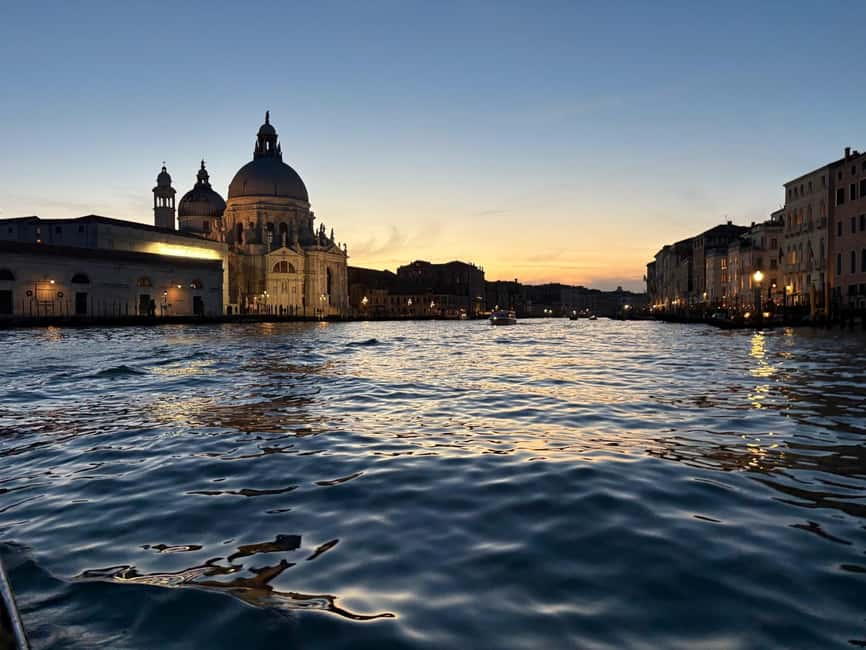
You need a charged smartphone and headphones. Download or activate everything before leaving the office if possible, since stopping in the middle of a narrow lane to solve a phone problem is no fun.
The audio is available in English, French, Italian, Spanish, German, Portuguese, Russian, Chinese, and Japanese. The material has been validated by Retrace, a European agency focused on art and art history. That gives the commentary a serious cultural purpose, though it does not replace a live guide who can answer questions.
You should allow about two hours for the loop, but your actual pace may vary. The route is designed for pauses, and the crossing can be used at any point during its operating hours. If you stop often for photos or refreshments, you may need longer.
The route covers bridges and uneven Venetian surfaces. It is not recommended for wheelchairs. Comfortable shoes are essential, and families should remember that even a flexible two-hour walk can feel long for small children.
The biggest concern: inconsistent organization
The strongest warning is not the route itself. It is the possibility that the start may not be handled well.
One booking described a pleasant gondola crossing but poor organization and unclear explanations. Other low ratings said the activity did not match its description, or that no tour, crossing, or souvenir was provided. Another complaint described receiving a paper leaflet and little else.
These are serious concerns because the product depends on the opening instructions. If the audio access code, meeting point, or crossing directions are unclear, the self-guided format becomes frustrating.
At the same time, several high ratings praised the welcome, the clear introductory explanation, the easy audio guide, and the freedom to explore without rushing. One person described the route between St. Mark’s Square and Dorsoduro as both interesting and good value. Another praised the host’s useful historical information.
My advice is practical: arrive early, confirm how to access the audio, ask exactly where the route begins, and confirm how the traghetto crossing works. If the staff give you a clear explanation, you should be in good shape. If the start feels disorganized, ask questions before leaving the office.
Who should book this Venice walk?
I would recommend this experience to you if you want a low-cost introduction to central Venice, prefer walking independently, and like having audio commentary rather than following a guide for two full hours.
It is especially suitable for families because you can pause when children need a break. It also works for first-time visitors who want an organized route through major sights but do not want to commit to a long formal tour.
Art lovers will appreciate the Dorsoduro section, while history-minded visitors will find useful material on the Republic, Napoleon, justice, trade, and the plague. The nine language choices make it practical for international groups.
I would be more cautious if you want a polished, fully guided experience with guaranteed staff support throughout. I would also skip it if your main goal is a scenic gondola ride. The traghetto crossing is short and functional.
The 3.1 rating from 10 bookings means you should not book blindly. Check the current price and meeting instructions, allow time to get to Campo San Zaccaria, and treat the welcome as an important part of the experience rather than a formality.
Should you book it?
Book it if the price is still around $14, you enjoy self-guided walks, and the idea of crossing the Grand Canal like a local appeals to you. The route covers a lot of ground, includes a useful mix of famous sights and lesser-known stories, and gives you room to set your own pace.
Do not book it expecting a conventional guided tour or a long gondola cruise. Its value depends on the quality of the check-in and audio instructions. For a budget-minded visitor who confirms those details before setting off, it can be a smart way to connect St. Mark’s Square with Dorsoduro.
FAQ
How long does the experience take?
The walking loop takes approximately two hours.
Where does the tour begin?
You check in at the partner office at Campo San Zaccaria 4683g, five to ten minutes before the scheduled start.
Where does the tour end?
The route finishes in St. Mark’s Square.
Is the entire experience guided by a live guide?
No. A local host provides an English introduction of about 15 minutes. You then continue independently with the smartphone audio guide.
How many stops are included?
The route includes 36 points of interest.
What languages are available for the audio guide?
The audio is available in English, French, Italian, Spanish, German, Portuguese, Russian, Chinese, and Japanese.
Is the gondola crossing included in the price?
The crossing itself is not included. You pay the gondolier directly, usually €2 per person.
When can I use the traghetto crossing?
The crossing can generally be used during traghetto operating hours, usually from 10:00 a.m. to 5:00 p.m.
What should I bring?
Bring comfortable walking shoes, headphones, and a charged smartphone.
Just added around Venice
- Venice: Vip Semi-Private Walking Tour with Gondola Ride★ 4.5 · 17 reviews
- Venice: Walking Tour & Gondola Ride★ 4.4 · 22 reviews
- Venice: St. Mark’s Basilica Guided Tour and Gondola Ride★ 4.5 · 2 reviews
- Venice: Private Photoshoot In Gondola★ 5.0 · 13 reviews
- Private Venice Walking Tour and Gondola Ride★ 4.3 · 3 reviews
- Venice: Romantic Palace Dinner and Private Gondola Ride★ 4.7 · 6 reviews
- Venice: Private Evening Stroll with Gondola Ride★ 5.0 · 2 reviews
- Venice: Highlights with Local Private Walking Tour & Gondola★ 4.5 · 10 reviews
St Marks Basilica Gondola Rides, compared.
Venice In a Day: St Mark’s, Doges Palace Gondola Ride & City Tour
Read our review →
Venice’s Best: Basilica, Doge’s Palace, Gondola & History Gallery
Read our review →
Best Of Venice: Saint Mark’s Basilica, Doges Palace with Guide and Gondola Ride
Read our review →
St Mark’s, Doge’s Palace, with Murano and Burano & Gondola Ride
Read our review →
Doge’s Palace and St Mark’s Tour with Gondola Ride
Read our review →
St. Mark’s Basilica Tour with Priority Entrance + Gondola
Read our review →Venice in A Day: St Mark’s Basilica, Doge’s Palace & Gondola Ride
Read our review →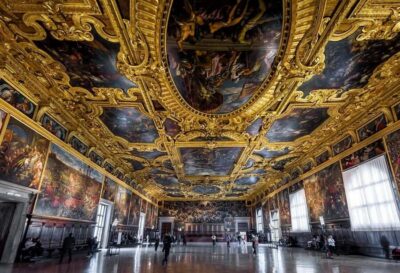
St. Mark’s Basilica Guided Tour with Venice Canals Gondola Ride
Read our review →Lists this ride appears in